






Search Results for: Panama Geisha
Panama Coffee Flavor Analysis: Why Geisha Became the Darling of the Specialty Coffee World
Panama coffee occupies a unique position in the global specialty coffee landscape, and when it comes to Panama, almost everyone immediately thinks of the Geisha variety's signature citrus notes, floral aromas, and intense berry flavors. After Geisha rose to fame in Panama, producing regions around the world rushed to plant it, and Yunnan, China also joined the ranks of cultivation. However, the same variety performs very differently under different terroir conditions, and Geisha is especially picky about its growing environment—high altitude and shade trees are both indispensable. Panama's climate and geographical conditions happen to match Geisha's growing requirements, thus producing its captivating floral aromas, refined fruit acidity, and richly layered flavors. This article will take a deep dive into Panama's coffee-producing regions, Hacienda La Esmeralda's grading system, and Front Street Coffee's brewing recommendations for Geisha coffee. [more…]
The Difference Between Panama Geisha and Ethiopian Geisha: The Origins and Naming Code of the World's Most Expensive Coffee
Geisha consistently tops the list of the world's most expensive coffees, but many people ask: why is Panama always emphasized whenever Geisha is mentioned? Are Panama Geisha and Ethiopian Geisha actually the same thing? This article begins with the 1931 collection in Ethiopia's Kaffa forest, tracing the complete journey of Geisha as it passed through Kenya and Costa Rica, and was eventually discovered and made famous at Hacienda La Esmeralda in Panama through the Best of Panama (BOP) competition. It explains the origin of the T2722 designation, as well as the commercial logic behind the many "Geisha" names on the market. The article also explains how to distinguish origin by the spelling difference between Gesha and Geisha, and includes Front Street Coffee's purchasing advice and product recommendations. [more…]
Panama Geisha | How is the quality of Hacienda La Esmeralda Green Tip Geisha coffee beans? What are the flavor characteristics of Panama BOP champion Geisha?
Every year, when the green coffee bean competition season arrives, the coffee community starts to get excited. Rubbing their hands in anticipation, they wait for the latest results, then immediately look for opportunities to taste the beans on the list. Besides classic regions like Ethiopia and Brazil, a new rising star region has emerged in recent years. Because of Panama's Geisha [more…]
Why Does Panama Geisha Stand Out in Flavor? An Analysis of the Unique Charm of Washed Boquete Geisha
In 2004, Hacienda La Esmeralda won the Best of Panama competition with the Geisha variety, and this variety has been famous ever since. Geisha is extremely demanding when it comes to its growing environment, requiring shade, high altitude, and fertile soil to express its delicate floral aromas and fruity notes. Thanks to its unique terrain, climate, and volcanic soil, Panama became the place where Geisha rose to fame. This article will sort through the origins of Geisha, Panama's terroir advantages, and the characteristics of the washed process, and, combined with Front Street Coffee's cupping and roasting experience, help you understand why Panama Boquete Geisha can present white florals, citrus lemon, and honey sweetness. [more…]
Analysis of Flavor Differences in Geisha Coffee Across Global Producing Regions: Ethiopia, Panama, and Costa Rica Compared
Geisha coffee is famous for its captivating floral aroma, but this signature flavor actually comes mainly from the Panama region. When Geisha was introduced to Ethiopia, Costa Rica, and other places, its flavor profile showed noticeable differences. This article starts with three Geisha coffees from Front Street Coffee—Panama, Costa Rica, and Ethiopia—and compares the variety background, estate information, and cupping flavors of each region one by one. Ethiopia, as the birthplace of Geisha, has a Geisha Village variety with very little genetic connection to Panama Geisha; Panama's Hacienda La Esmeralda, meanwhile, established the floral definition of Geisha, with its Red Label, Green Label, and Blue Label each having distinctive characteristics; Costa Rica's Little Candle Estate, thanks to its unique microclimate, also produces a clean and elegant Geisha flavor. Through this article, you will gain a comprehensive understanding of the characteristics and main flavor descriptions of Geisha coffee from different origins. [more…]
What's the difference between Panama Geisha and Ethiopian Geisha? A clear explanation from flavor and bean appearance to origins
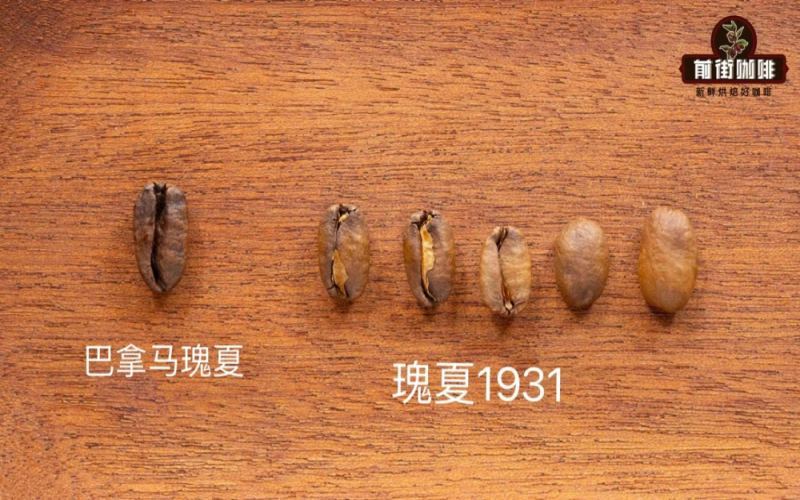
Geisha is now a star variety in the specialty coffee world, but Panama Geisha and Ethiopian Geisha actually represent two different flavor paths. After comparing them, Front Street Coffee found that although both possess outstanding acidity and floral aromas, their specific expressions differ markedly: Panama Geisha leans toward jasmine florals, citrus, and honey-like sweetness, with a soft, easy-drinking entry; Ethiopian Geisha also has florals, but its main thrust is abundant juiciness and explosive fruit flavors. This article examines, from the perspectives of historical origins, dissemination routes, terroir conditions, and green bean appearance, why these two coffees sharing the same name taste like two different beans, and also answers how the true Geisha flavor should be understood. [more…]
What Kind of Coffee Is Geisha?|Why Are Geisha Coffee Beans Always Associated with Panama? Which Coffee Regions Grow Geisha? What Makes Panamanian Geisha So Unique?
Many friends have noticed this phenomenon: whenever people chat about Geisha coffee, even though no specific region is mentioned, the first thing that often comes to mind is Geisha from Panama; or when talking about Panamanian coffee, they will directly assume it is the Geisha variety; some even go so far as to directly [more…]
Exploring the Flavor Characteristics and Origins of Panama's Green Tip Geisha: From Hacienda La Esmeralda to a Specialty Coffee Legend
Panama, this narrow isthmus connecting North and South America, with its unique microclimates and volcanic soil, has given birth to the world-famous Geisha coffee. From the introduction of Typica in 1780 to Hacienda La Esmeralda's stunning breakthrough in 2004, how did Geisha rise from a windbreak hedge to the pinnacle of fame? What is the difference between green-tip and bronze-tip? This article takes you through the historical trajectory of Panama Geisha, decoding the terroir secrets of core producing regions such as Boquete and Volcán Barú, and reviewing the cultivation characteristics and grading systems of renowned estates like Hacienda La Esmeralda, Elida, and Hartmann, offering a comprehensive presentation of Geisha coffee's legendary charm. [more…]
Panama Geisha Washed vs. Natural Flavor Comparison: Analyzing the Differences Between Janson Estate and Hacienda La Esmeralda
Both are Panamanian Geisha, but just how big is the flavor difference between the washed and natural processing methods? And what are the distinctive characteristics of the Geisha from Hacienda La Esmeralda and those from Janson Coffee Farm? Starting with Janson Coffee Farm, this article provides a detailed overview of the flavor profiles of its natural and washed Geisha, the farm's background, and growing conditions, and compares them with the stylistic differences of Hacienda La Esmeralda. Janson Coffee Farm focuses mainly on domestic sales and ranks second in Panama for Geisha production; its washed Geisha won second place in the washed category at the 2013 B.O.P competition. The article also includes Front Street Coffee's recommendations and purchasing information, making it suitable reading for coffee enthusiasts who want an in-depth understanding of Panamanian Geisha. [more…]
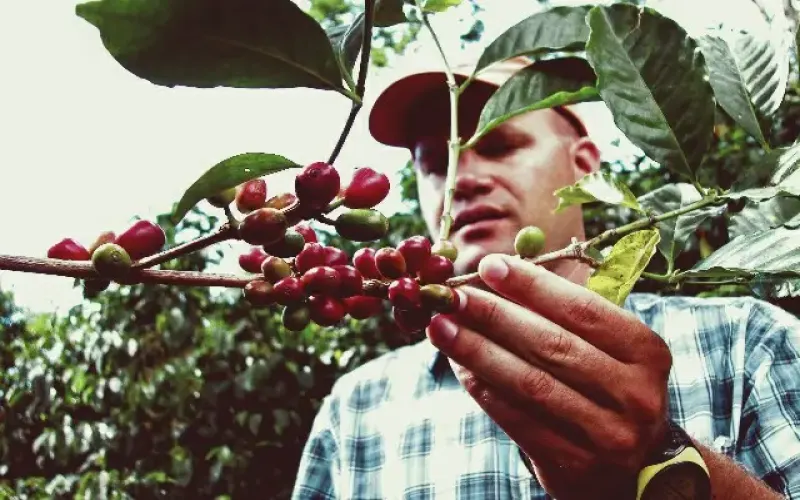
Why has Panama Geisha become a leader in specialty coffee? Can Geisha beans be used to make espresso?
Geisha coffee is widely recognized as a star variety among specialty coffees, and the Geisha produced at Hacienda La Esmeralda in Panama is the benchmark among them. Geisha originated in Ethiopia and was later introduced to Panama, where, thanks to the local unique climate and high-altitude growing conditions, it displayed delicate floral aromas and elegant fruit acidity, bursting onto the scene. So, can Geisha coffee beans be used to make espresso? Front Street Coffee gives its own answer from the perspectives of product positioning, roasting difficulty, and flavor performance. This article will take you through the origin and spread of Geisha, the terroir advantages of Panama's Boquete producing region, and why Front Street prefers to present Geisha's unique charm through pour-over. [more…]
Why Is Panama Geisha Coffee So Expensive? A Comprehensive Analysis of Flavor Characteristics and Brewing Parameters
Geisha coffee is an extremely talked-about variety in the specialty coffee world, with the Geisha produced by Panama's Hacienda La Esmeralda being the most classic of all. From being recorded in Ethiopia in 1931 to Hacienda La Esmeralda in Panama making its name overnight at the BOP competition, Geisha has traveled a long road of turnaround. This article sorts out the variety's spread and its rise to fame, compares the flavor differences between Panamanian Geisha and Ethiopian Geisha, and introduces Hacienda La Esmeralda's Red Label and Green Label grading system as well as brewing suggestions and specific parameters for Green Label Geisha, helping coffee lovers understand why a single cup is so hard to come by. [more…]
Which origin is most famous for Geisha coffee? Can Panamanian Geisha be used to make espresso?
Geisha coffee is renowned worldwide for its delicate and elegant floral aromas and fruity acidity, and the Geisha produced at Hacienda La Esmeralda in Panama is widely recognized as the finest of all. The Geisha variety originated in Ethiopia, yet it truly shines under Panama's unique terroir conditions, with the high-altitude microclimate of the Boquete region being particularly crucial. As for whether Geisha can be used to make espresso, the answer is yes—single-origin beans made into SOE are one example—but in practice, factors such as roast level, extraction parameters, and output consistency need to be taken into account. Front Street Coffee walks coffee enthusiasts through the full picture of Geisha coffee, from variety characteristics and regional terroir to brewing methods, and shares why the shop chooses to present Geisha as pour-over rather than espresso. [more…]
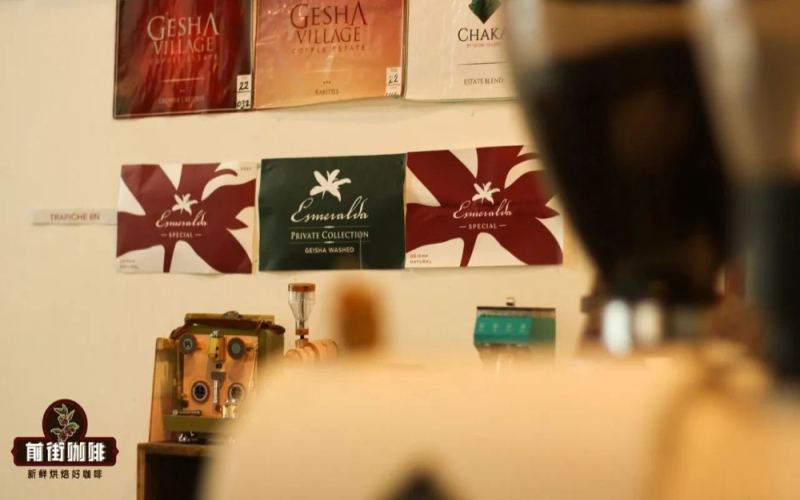
A Complete Guide to Panamanian Coffee Flavors: Geisha Pour-Over Parameters and a Comparison Guide to Front Street's Geisha Beans from Various Estates
Panama coffee is world-famous for the Geisha variety, and its elegant floral and fruity aromas with citrus notes are highly sought after. This article systematically reviews the regional characteristics of Panamanian coffee—from Boquete and Volcán to Renacimiento—and explains in detail the grade classifications and plot differences of Hacienda La Esmeralda's Red Label, Green Label, and Blue Label Geisha; it also introduces the flavor profiles of Front Street selected Panamanian coffee beans such as Butterfly, Elida, and Hartmann, and includes the complete parameters for Front Street Geisha pour-over and the three-stage extraction steps, taking you from origin to cup for a comprehensive understanding of the charm of Panamanian Geisha. [more…]

In-Depth Analysis of Panama's Boquete Region: Why Geisha Coffee Has Become the Champagne of the Specialty Coffee World
Although Panama is a small country, its unique geographical conditions and microclimates have given rise to Geisha coffee, which coffee lovers around the world flock to. From Boquete to Volcán, from Hacienda La Esmeralda's Red Label, Green Label to Blue Label, each grade of Geisha has its own unique charm. Front Street Coffee takes you into Panama's four major producing regions, sorts out the coffee grading system, analyzes the flavor differences between washed and natural processing methods, and introduces Front Street's Panama specialty coffee beans currently on sale one by one, helping you find the cup that suits you best. [more…]
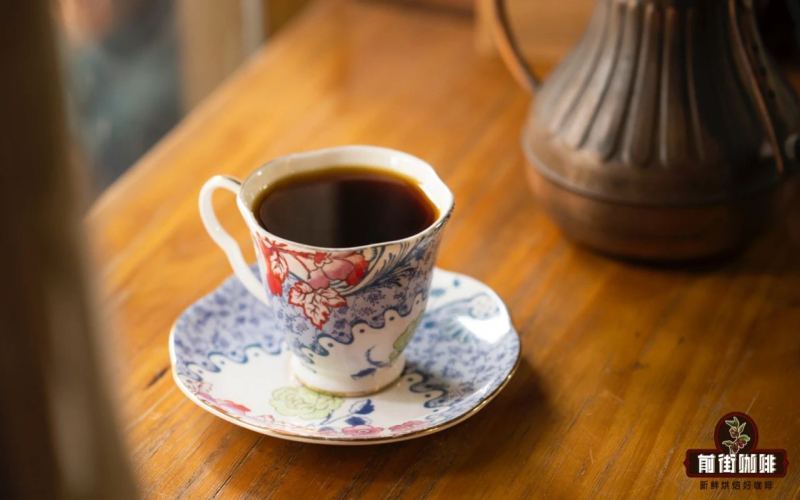
Why Does Panama Geisha Dominate the Specialty Coffee World? A Full Analysis of the Geisha Variety and Hacienda La Esmeralda's Red and Green Label Grades
In the world of specialty coffee, Panama Geisha is almost synonymous with top-tier flavor. Whenever we chat with guests at Front Street about Geisha, Panama is often the first place that comes to mind. Although countries like Costa Rica, Colombia, and Guatemala also produce excellent Geisha, Panama's status remains hard to shake. Behind this are unique terroir conditions, the meticulous craftsmanship of highly skilled coffee farmers, and, crucially, Hacienda La Esmeralda's strict grading and promotion of Geisha. This article will walk you through the historical context of Panamanian coffee, the microclimate advantages of the Boquete growing region, and the specific divisions of Hacienda La Esmeralda's Red Label and Green Label grades, along with Front Street's selection recommendations. [more…]
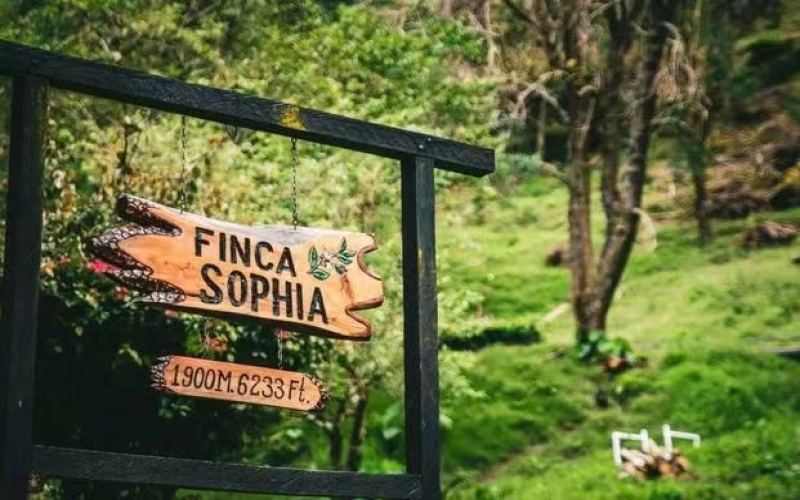
A Complete Guide to Geisha Coffee Beans: From Ethiopian Origins to Panama's Hacienda La Esmeralda Pour-Over Flavor Guide
Geisha coffee beans are famous for their rich floral aroma and refined fruit acidity, but this variety went from Ethiopia's wild forests to the world stage through nearly seventy years of obscurity and turning points. This article sorts out Geisha's varietal origins, spread, and growing condition requirements, focusing on the terroir advantages of Panama's Boquete producing region, as well as Hacienda La Esmeralda's Red Label and Green Label grading system. It also presents Front Street Coffee's roasting approach for Geisha and V60 brewing parameter recommendations, and includes flavor descriptions of beans from well-known Panama estates such as Butterfly and Elida, providing coffee lovers with a complete Geisha tasting reference. [more…]
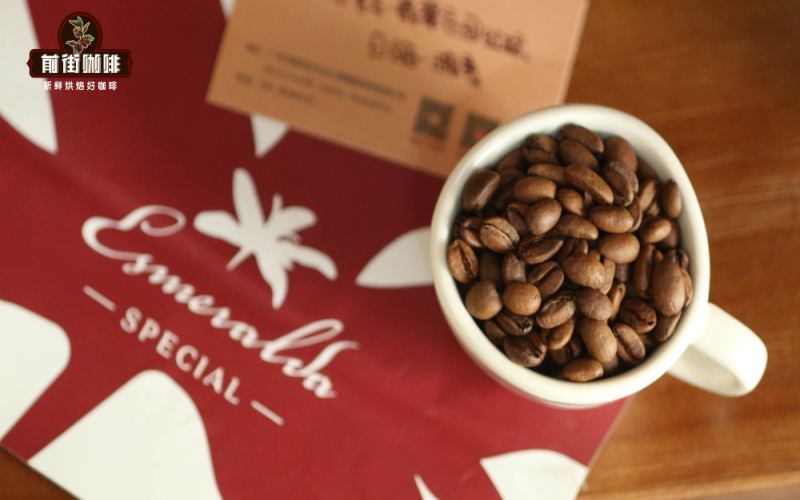
Panama Hacienda La Esmeralda Geisha Coffee Bean Variety Analysis and Pour-Over Parameter Guide
Geisha coffee beans rose to fame after winning the 2004 Panama BOP competition, but not all Geishas are expensive. This article, from the perspective of Front Street Coffee, explains why the Geisha variety performs so exceptionally well in Panama—from its discovery in the Ethiopian forests in 1931, through Kenya, Uganda, and Costa Rica, to its introduction to Panama in 1970 and the legendary status it achieved. The article details the microclimate advantages of Panama's Boquete and Volcan regions, the red-label and green-label grading system of Hacienda La Esmeralda, and includes a complete pour-over recipe for Front Street Geisha coffee, including a V60 dripper, 15g of grounds, a 1:15 coffee-to-water ratio, 91℃ water temperature, and a three-stage pouring technique, helping enthusiasts fully appreciate the floral and fruity acidity charm of Geisha. [more…]
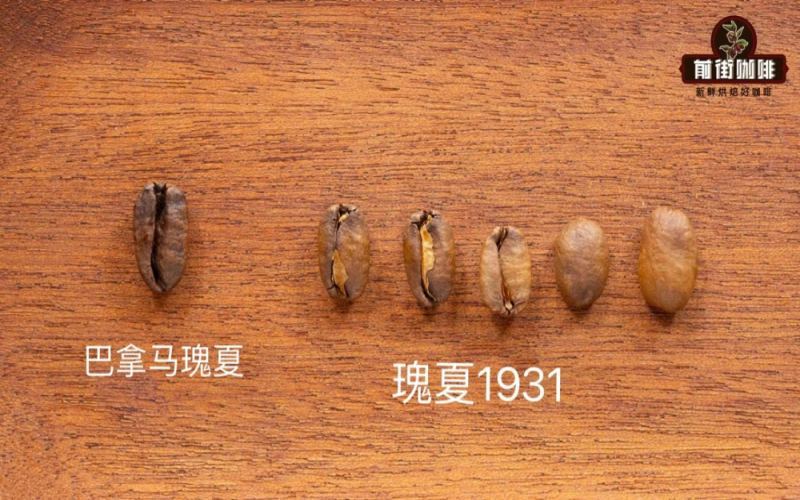
Unraveling the Origins of the BOP Champion Geisha: The Varietal Legend from Ethiopia's Gesha Forest to Panama's T2722
Geisha is the most renowned specialty coffee variety after Blue Mountain, and it is also the priciest signature treasure of many cafés. Yet beans sold under the Geisha name can differ wildly in flavor. This article begins with the 2004 BOP competition, tracing Geisha's complete journey from the Gesha forest in Ethiopia to Kenya, Tanzania, and Costa Rica, before it finally shone at Hacienda La Esmeralda in Panama. It explains the origin of the key designation T2722 and answers why Geisha from Ethiopia and Costa Rica tastes noticeably different from Panama's. Front Street Coffee helps you understand the varietal truth behind sky-high Geisha in one article. [more…]
Beginner-Friendly Geisha Coffee Brands: Panama Geisha Flavor Characteristics and High-Value Picks
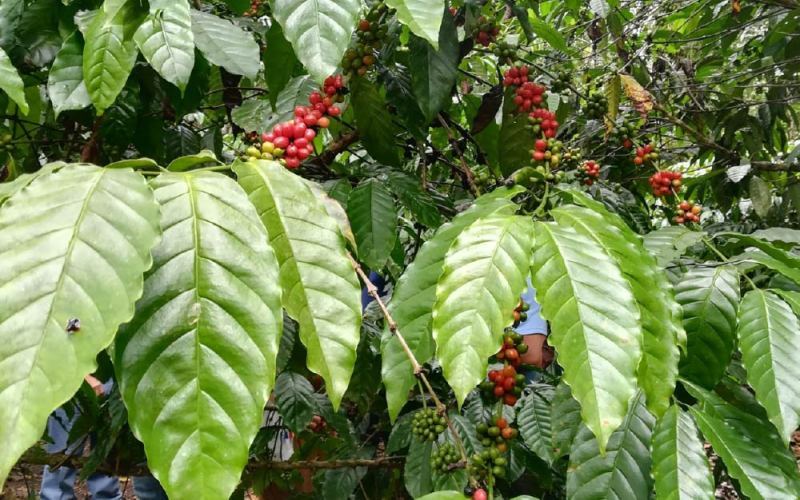
After Geisha coffee rose to fame, it was introduced and cultivated across many producing regions worldwide. Among them, Geisha from South American countries such as Panama, Guatemala, and Colombia stands out for its exceptional quality, though it also commands a relatively high price. Different terroirs give the same variety distinct flavor expressions, and Panama's Boquete region is especially classic, known for its floral notes, tropical fruit, and rich sweetness. However, estate-level Geisha often comes with a hefty price tag, deterring many enthusiasts. This article introduces three cost-effective Geisha options, all from the well-known roasting brand Front Street Coffee, and explains the flavor and taste characteristics of Panama Geisha to help beginners easily experience the charm of Geisha. [more…]
Why Is Panama Geisha Coffee Unrivaled? One Article Explains the Red, Green, and Blue Label Grades and Origin Differences
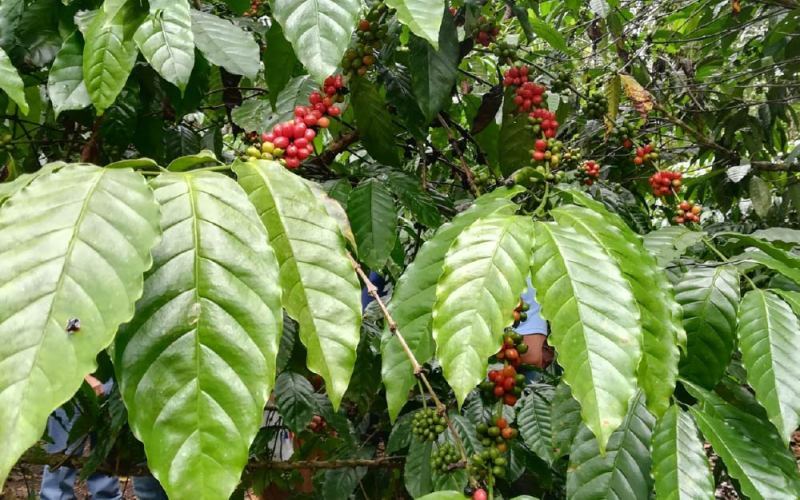
Since its breakthrough in 2004, Panama Geisha has firmly held the top spot in the specialty coffee world, becoming a name that countless enthusiasts both long for and revere. It boasts rich floral aromas and bright fruity acidity, yet its price is staggering. What exactly is Geisha's charm? Why do Geishas from Ethiopia, Costa Rica, and Panama taste so different? And how do you distinguish Hacienda La Esmeralda's Red Label, Green Label, and Blue Label? In this article, Front Street Coffee will take you through Geisha's past and present, explain the characteristics and grading standards of each origin in detail, and provide pour-over parameter suggestions to help you fully understand this legendary cup of coffee. [more…]